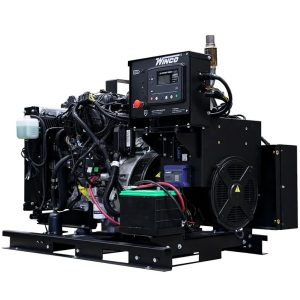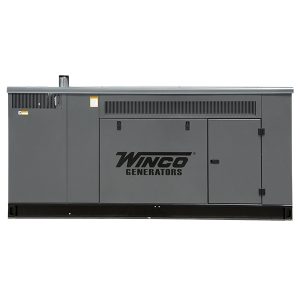
Choosing the right generator is essential for ensuring reliable power when you need it most. Whether you're preparing for power outages, working on a remote job site, or supplying electricity to a farm, understanding the differences between PTO generators, portable generators, and standby generators can help you make the best investment.
Each type of generator is designed for specific applications, offering unique advantages depending on your power needs, budget, and location.
What Is a Portable Generator?
A portable generator is a self-contained unit powered by a gasoline, diesel, or propane engine. These generators are designed to be moved from one location to another, making them ideal for temporary power.
Best Uses for Portable Generators
- Home backup during short-term power outages
- Construction and job sites
- Outdoor events
- Recreational activities and camping
- Emergency power for tools and equipment
Advantages
- Easy to transport
- Lower upfront cost
- Available in a wide range of power outputs
- No permanent installation required
Considerations
Portable generators require manual setup and fueling. Most models must be connected safely using extension cords or a transfer switch, and they should always be operated outdoors to prevent carbon monoxide exposure.
What Is a PTO Generator?
A PTO (Power Take-Off) generator uses the engine of a tractor instead of having its own engine. The generator connects directly to the tractor's PTO shaft, allowing the tractor to provide the mechanical power needed to generate electricity.
Best Uses for PTO Generators
- Farms and ranches
- Agricultural operations
- Irrigation systems
- Livestock facilities
- Rural properties with tractors already available
Advantages
- No separate engine to maintain
- Lower maintenance costs
- Excellent for producing high amounts of power
- Efficient use of existing farm equipment
Considerations
A PTO generator requires a properly sized tractor to operate. Because the tractor is powering the generator, it cannot be used for other tasks while generating electricity.
What Is a Standby Generator?
A standby generator is permanently installed outside a home or business and connects directly to the electrical system through an automatic transfer switch. When utility power fails, the standby generator starts automatically and restores electricity within seconds.
Best Uses for Standby Generators
- Whole-home backup power
- Businesses
- Medical facilities
- Critical infrastructure
- Homes in areas with frequent outages
Advantages
- Automatic operation
- Continuous backup during extended outages
- Powers most or all household circuits
- Permanently connected to natural gas or propane fuel
Considerations
Standby generators have the highest initial cost because they require professional installation, electrical connections, and regular maintenance.
PTO vs. Portable vs. Standby Generators
| Feature | PTO Generator | Portable Generator | Standby Generator |
|---|---|---|---|
| Power Source | Tractor PTO | Built-in engine | Natural gas or propane |
| Mobility | Moderate | High | Permanent installation |
| Automatic Operation | No | No | Yes |
| Best For | Farms and agriculture | Homeowners, contractors, recreation | Whole-home and commercial backup |
| Initial Cost | Moderate | Low to moderate | Highest |
| Maintenance | Generator plus tractor | Generator engine | Professional maintenance recommended |
Which Generator Should You Choose?
The best generator depends on your specific needs.
Choose a portable generator if you need affordable, temporary power for emergencies, job sites, or outdoor activities.
Choose a PTO generator if you own a tractor and need dependable, high-capacity power for agricultural operations or rural properties.
Choose a standby generator if you want automatic backup power for your home or business without manual setup during an outage.
Final Thoughts
Portable, PTO, and standby generators each serve an important role in backup power solutions. Portable generators offer flexibility and affordability, PTO generators provide powerful and efficient electricity for farms, and standby generators deliver seamless automatic protection for homes and businesses.
By understanding the strengths of each generator type, you can select the solution that best matches your property, budget, and power requirements—ensuring you're prepared whenever the lights go out.